On the sidewall of most new tyres are red and yellow painted dots. These are markers or guides to be aligned with particular points on the wheel. The alignment matters for the balancing of the wheel: If these dots on the tyres are properly aligned with certain points on theContinue Reading

Each tyre has an imprinted DOT code on the sidewall. DOT stands for the Department of Transportation and the code is made of numbers and letters – they indicate the place and date of the tyre’s manufacture. The DOT abbreviation is followed by numbers that indicate the tyre factory codeContinue Reading

TPMS

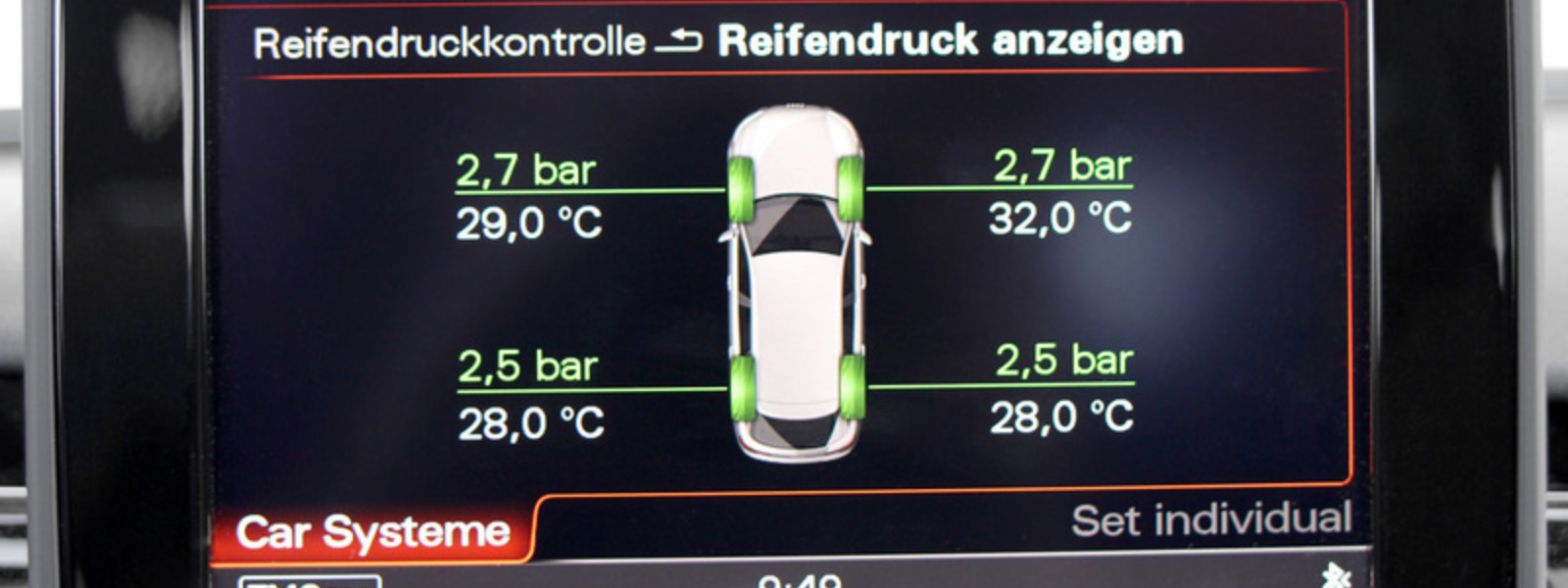
The TPMS continuously and reliably monitors the inflation pressure in real-time. In the event of pressure loss below a safe threshold, it immediately alerts the driver to take action. When used correctly, the TPMS can enhance driving safety by eliminating a frequent cause of accidents. There are two types ofContinue Reading

Speed Ratings

A tyre’s speed rating indicates the optimal speed that the tyre can safely maintain over time. It is the fastest speed a tyre can handle before it no longer performs as designed. The higher the speed rating, the better control and handling the tyre offers at higher speeds. The speedContinue Reading

Slick tyres

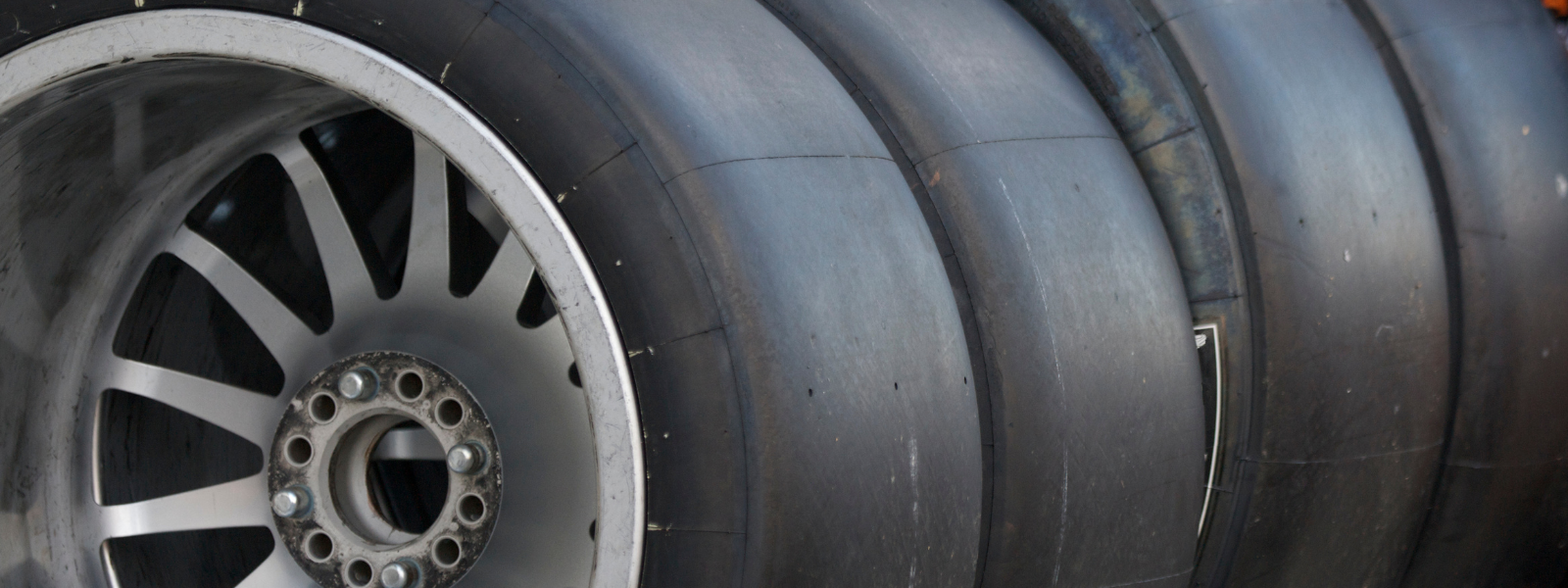
Slick tyres are tyres with limited to no tread and are used in racing. Their surface is smooth, without grooves, so they have high levels of grip and more direct rubber contact with the ground. This generates more power, which helps cars accelerate faster. Since there is no tread pattern, slickContinue Reading

It may seem simple on the surface, but tyre creation and selection is a science and an art in today’s automotive universe. Unlike the simple rubber tyres of yesteryear, the tyres of today are an intricately woven mixture of steel belts, highly developed fabrics and advanced rubber compounds. As aContinue Reading

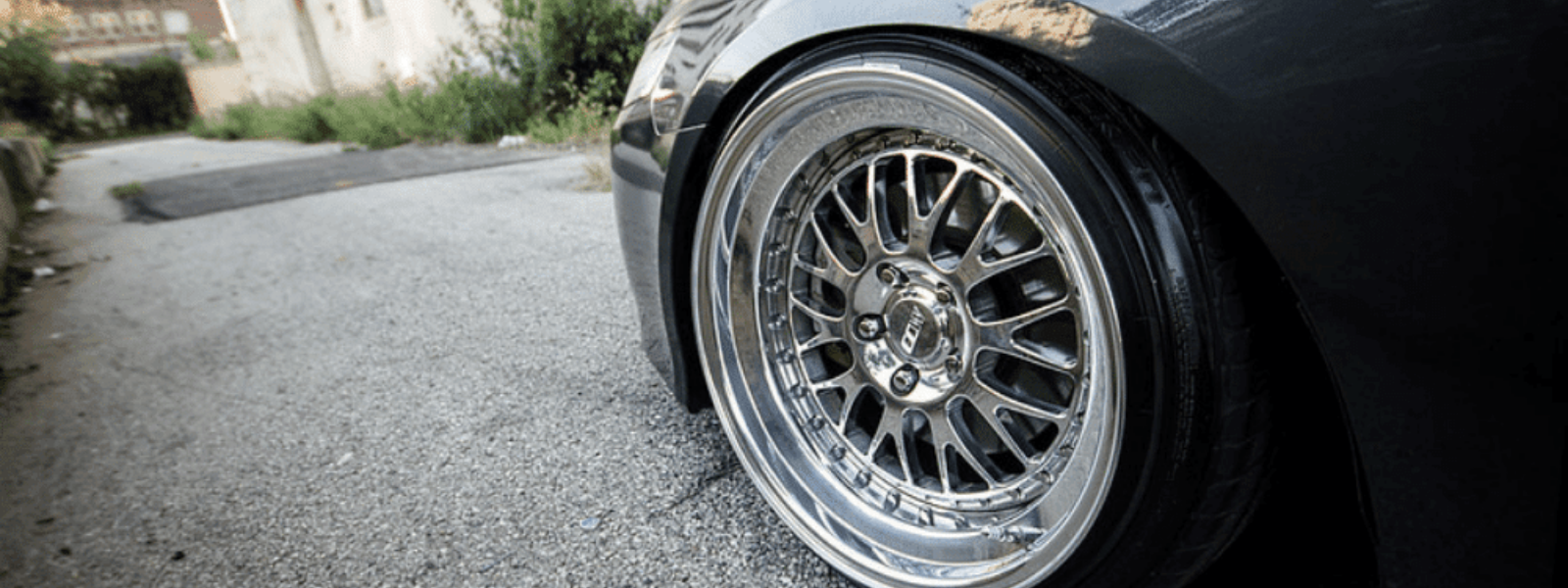
Some vehicle owners choose to stretch their tyres for aesthetic reasons. Tyre stretching offers no performance benefits and can be dangerous. Are Stretched Tyres Safe? Stretching something over a surface that’s wider than is meant for can sound quite risky. With that said, safety highly depends on the amount of stretchContinue Reading

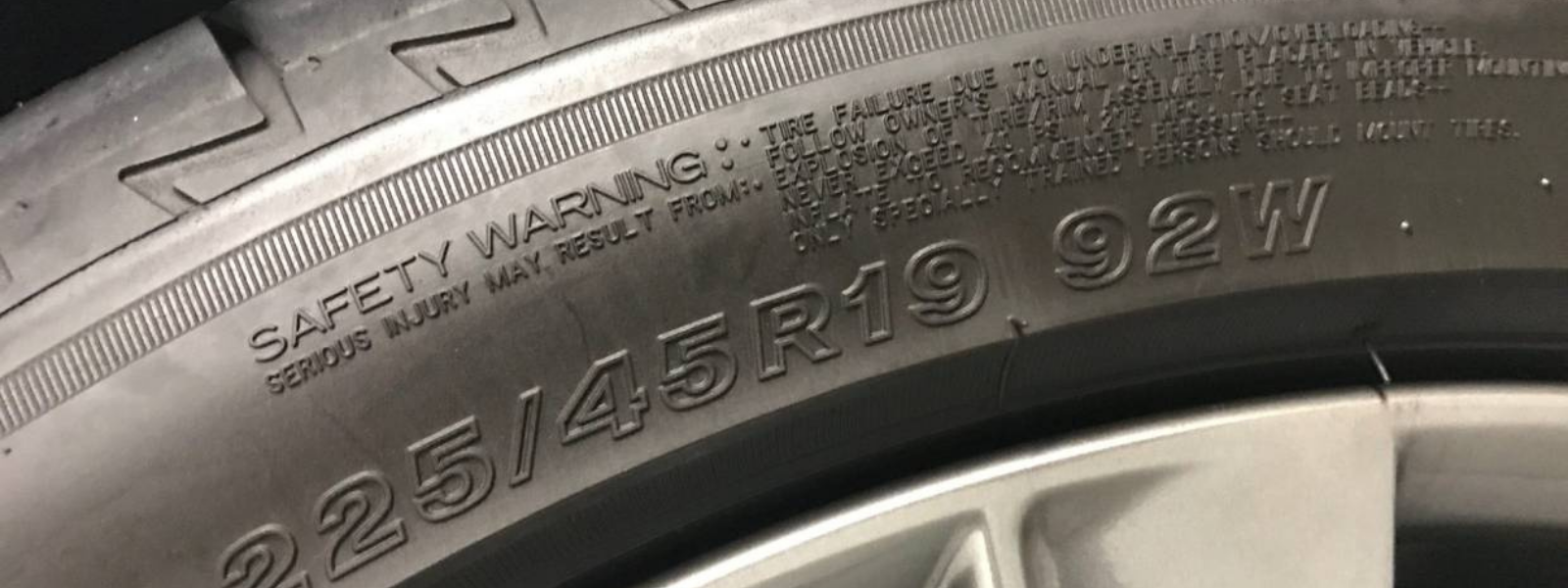
Markings the tyre sidewall offer a wealth of information, such as the load index, speed rating, tyre size and construction. This information is important when it comes time to fit your wheels with replacement tyres. Every driver wants to maintain optimal safety and performance when buying new tyres; understanding theContinue Reading

Your wheel’s load rating or weight capacity is an extremely important aspect of vehicle safety. The load rating determines how much weight your tyres can safely carry at maximum air pressure. If load rating is ignored, it can result in tyre failure, causing damage to your vehicle or bodily harmContinue Reading

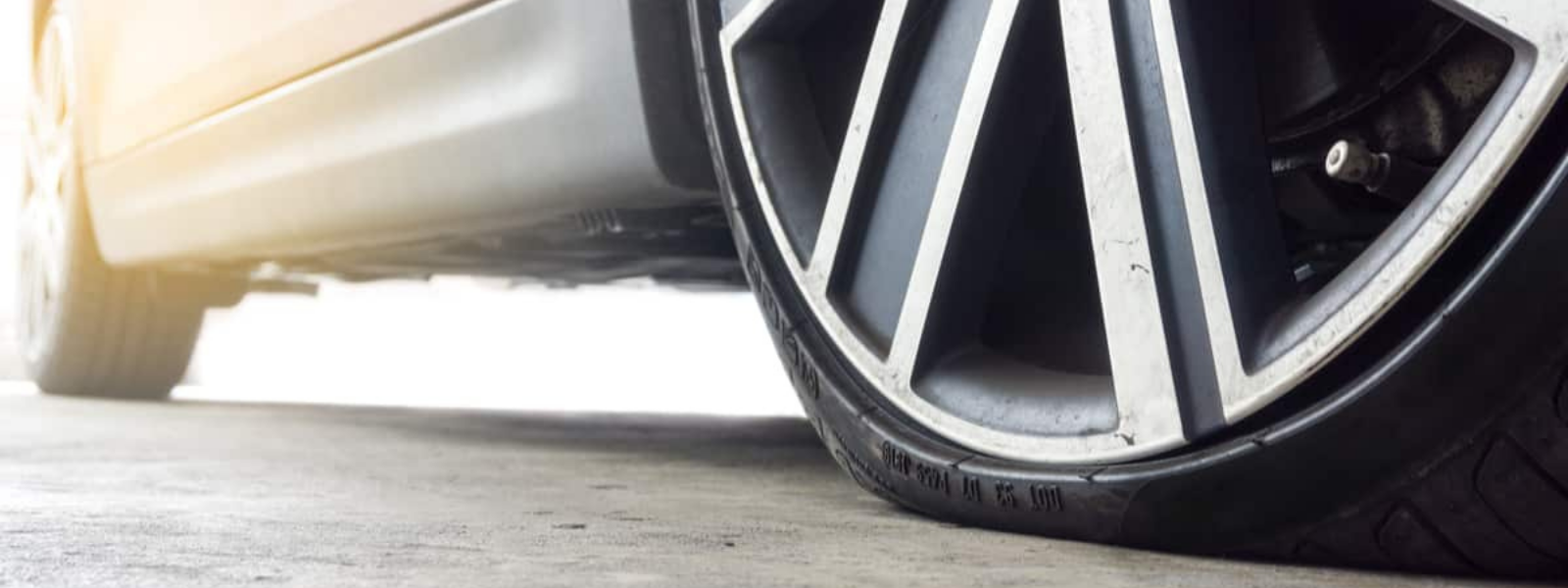
Run flat tyres are specially designed to keep working for a short while even after they suffer a puncture. How do they work? Run flat tyres are built with reinforced sidewalls. Normally, a car is supported by the air in your tyres, and once you have a puncture, they collapse.Continue Reading

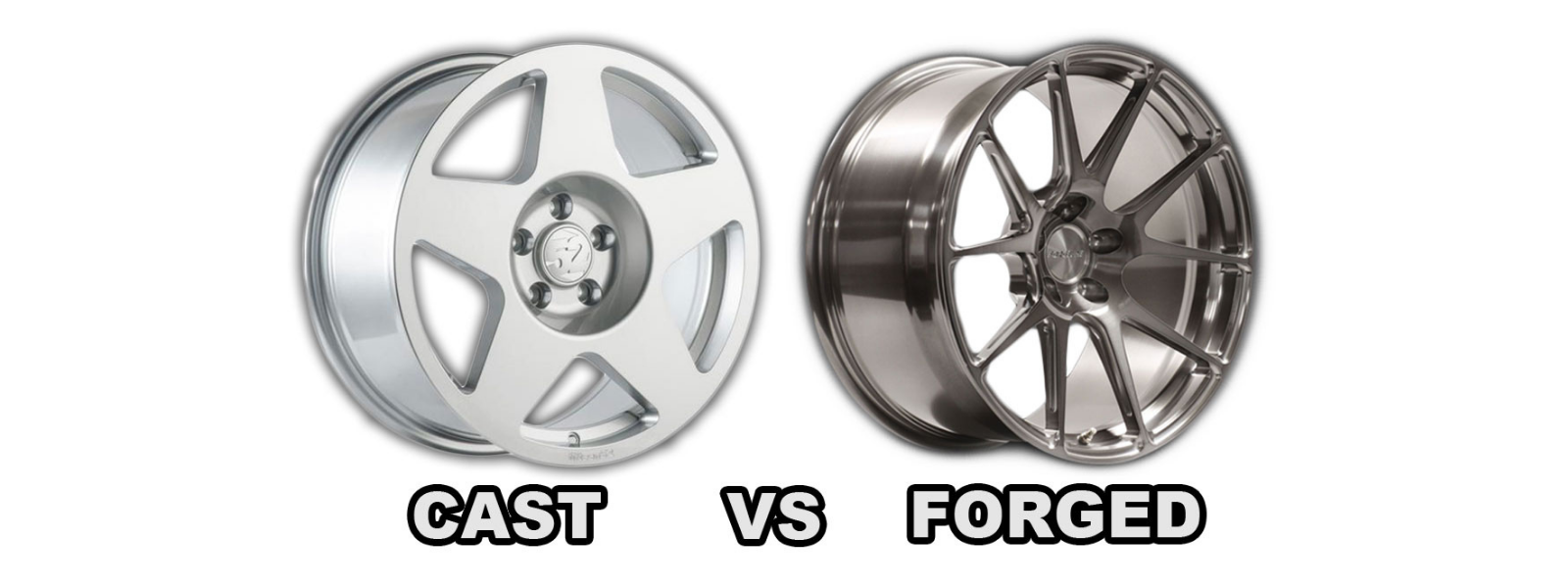
Wheels can be manufactured in a variety of ways. Two of the most popular manufacturing processes are “cast” and “forged” wheels. Each type is manufactured in a different way and have different advantages and disadvantages. Process of Manufacturing Cast Wheels The casting process involves pouring or using a vacuum toContinue Reading

Bulges in tyres can occur when the sidewall becomes damaged – which is often caused by impact from ‘kerbing’ or from pot holes in the road. The structrual integrity of the tyre sidewall is weakened and the internal air pressure creates a visible bulge.  A lump or bulge usually indicatesContinue Reading