
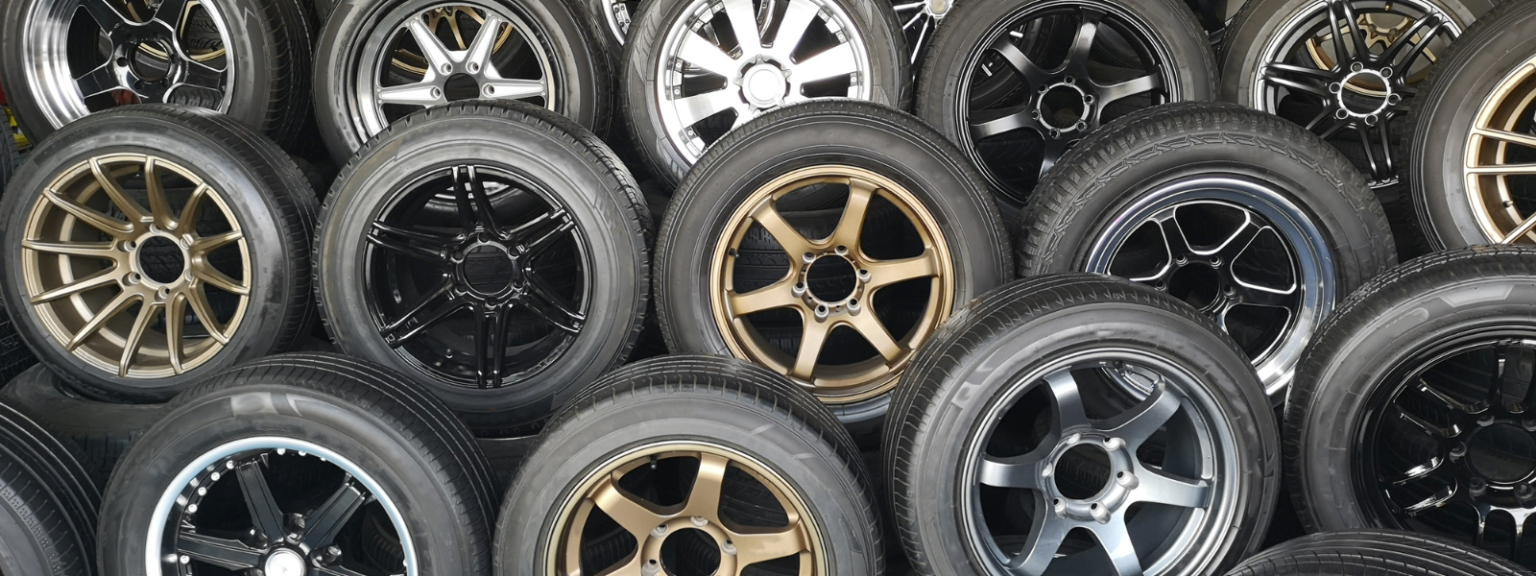
Your tyre size is individual to your vehicle and the manufactures specifications. You can find this on your tyre sidewall, tyre placard, in your owner’s manual, online or by using a tyre size calculator. Ultimately, there are so many tyre and wheel options it can be confusing at times.
Tyre specifications and guidelines
Your vehicle is only suited to a select few tyre size combinations which are ideal for safely travelling on the road. If steering away from the vehicle manufactures nominated tyre size, keep in mind your vehicle could become un-roadworthy. Size is not the only thing to consider when selecting a tyre. It is important to be aware of load, tread, tyre design, performance and PSI.
Upsizing
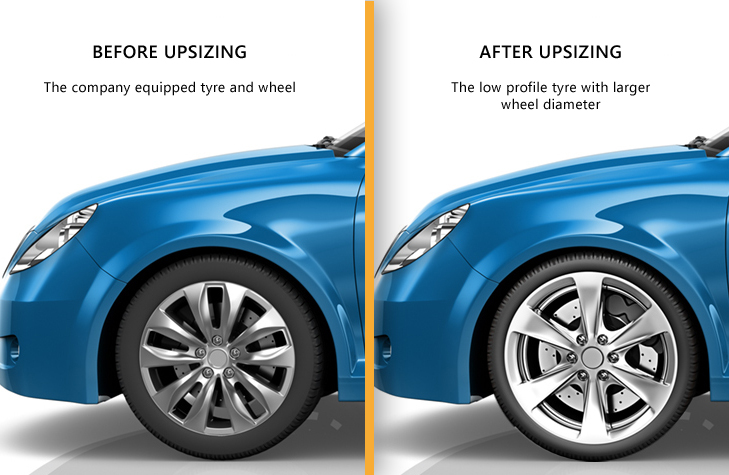
It is safe to minimally upsize your tyre if you were looking for wider tyres which fit larger diameter wheels. However, you must still meet your vehicle manufactures guidelines. Plus sizing your tyre is pretty common when aesthetics are at play. Larger tyres and wheels are quite distinctive and appear dominating. Many motorists choose to upsize tyres as it can improve performance such as steering and braking, grip and ride comfort. However, you may be compromising on fuel economy and acceleration.
Downsizing
Downsizing tyre size is quite uncommon. You must also pair your tyre with the appropriate wheel size. Attempting to fit a narrow tyre onto a wheel by forcing the sidewalls to stretch wider than they are designed for is what you should be avoiding. The most common reason and individual may downsize is if they are after narrow and smaller tyres.

Comments are closed, but trackbacks and pingbacks are open.