
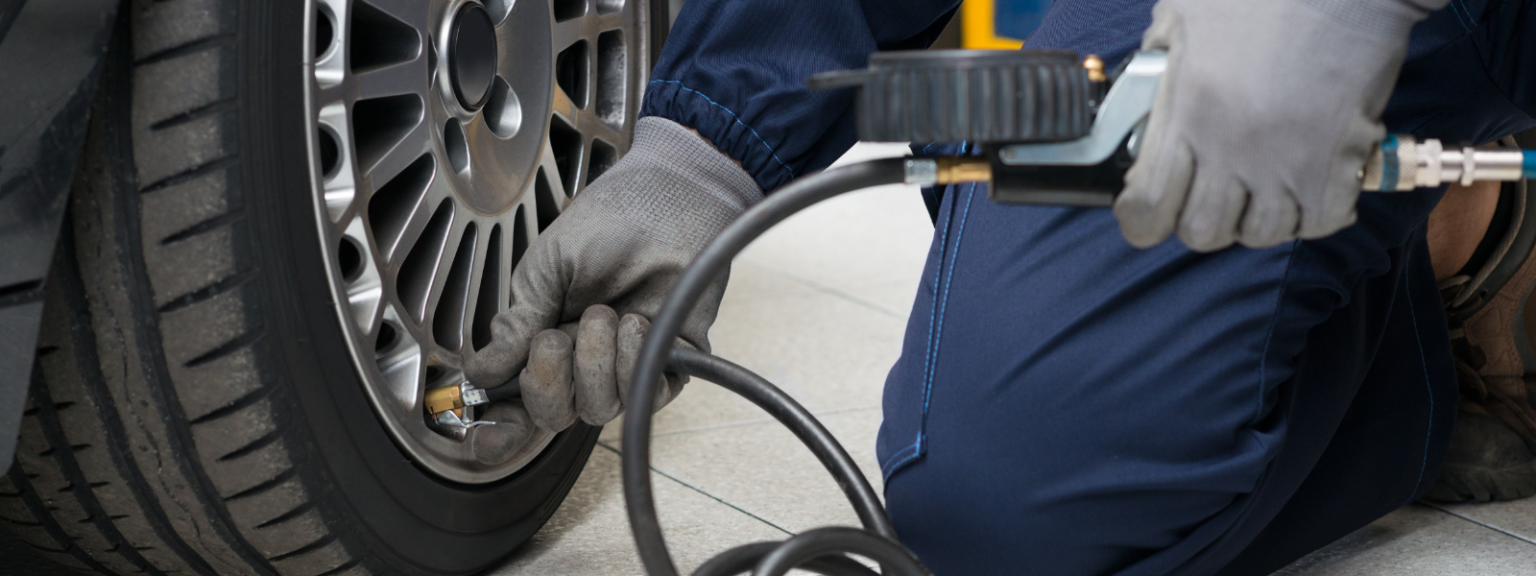
Using Nitrogen instead of compressed air in tyres has become a popular choice for many drivers.
The most notable advantage of nitrogen-filled tyres relates to air pressure. On a molecular level, Nitrogen molecules are larger and slower moving than those of compressed air. Because of this, nitrogen won’t seep out of your tyres as quickly as air will, which helps to maintain proper pressure for a longer period of time.
Keeping the correct air pressure in your tyres helps them last longer, helps your car handle better, and could even help maximise fuel economy. Under/over-inflated tyres are more difficult to handle, and increase your risk of a blowout.
There’s nothing wrong with keeping your tyres inflated with air. After all, drivers have been using compressed air successfully for years! Compressed air is easy to find and often free. Depending on where you go, it could also cost more and take longer for your tyres to be inflated with nitrogen (especially the first time). When it comes to convenience and cost, compressed air is the clear winner.
MIXING AIR AND NITROGEN
It’s never a good idea to drive on an under-inflated tyre, so if you need a top up and nitrogen is not available, you can use compressed air. Using compressed air in tyres that have previously been filled with nitrogen will not harm your tires. While mixing the two won’t result in an adverse chemical reaction, it will dilute the purity of the nitrogen and lessen its effectiveness.
In the nitrogen vs. air debate, there’s not necessarily a right or wrong answer. Whether you choose to fill your tyres with nitrogen or compressed air, the most important aspect of tyre maintenance is maintaining proper tyre pressure. Tyres that are properly inflated tend to wear more evenly, handle better, improve the fuel economy of your vehicle, and last much longer.

Comments are closed, but trackbacks and pingbacks are open.